Why Equestrian Apps Are Frustrating For Horse Owners

One afternoon at the yard, I watched a rider—let’s call her Lina—perfectly embody what modern horse ownership looks like in 2026.
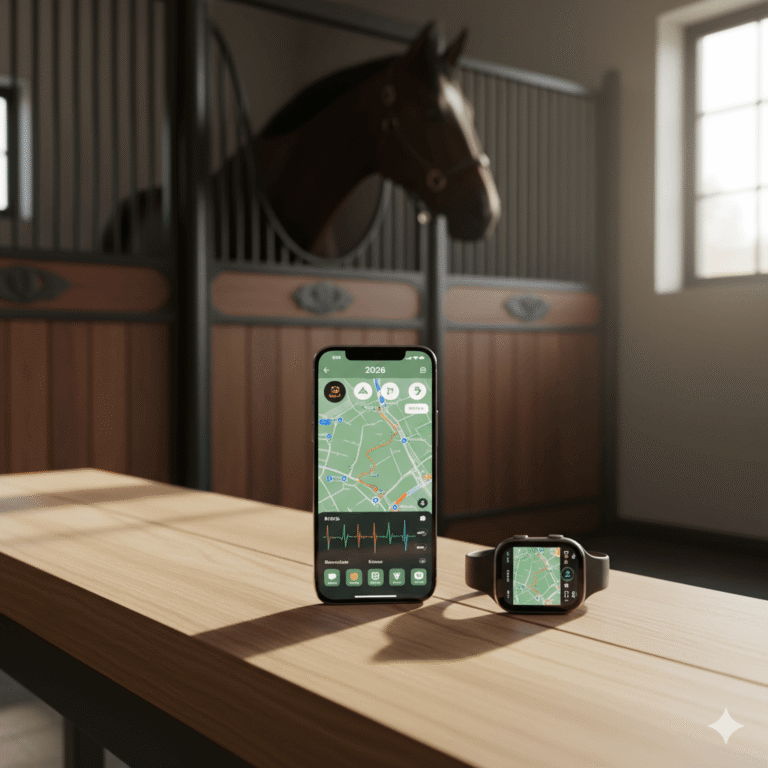
Between schooling sets, she calmly logged her mare’s temperature and feed adjustments in one app while another tracked the pace and distance of the ride.
Everything looked organized. Efficient. Digital.
Then the barn manager walked over.
“Wasn’t the farrier supposed to come this morning?”
Lina paused.
She checked her phone.
The ride had been tracked.
The health log was updated.
Competition entries were confirmed.
Messages were pouring in across multiple yard WhatsApp groups.
Yet somehow, the most basic task in horse management—keeping the farrier cycle on schedule—had slipped through the cracks.
Scenes like this are becoming surprisingly common.
Horse owners are no longer short on technology. If anything, many riders feel overwhelmed by it. And an increasing number of equestrians are asking the same question:
This issue raises a valid question among equestrians: How can technology improve without adding to the frustration? As many riders know, Apps Are Frustrating For Horse Owners, and understanding this is the first step towards better solutions. Many equestrians find themselves grappling with the reality that Apps Are Frustrating For Horse Owners, highlighting the gaps between technology and practical usage.
Why do we have so many equestrian apps… and still so many everyday problems?
Many equestrians find themselves grappling with the reality that Apps Are Frustrating For Horse Owners, highlighting the gaps between technology and practical usage.
How Equestrian Apps Are Changing Horse Management
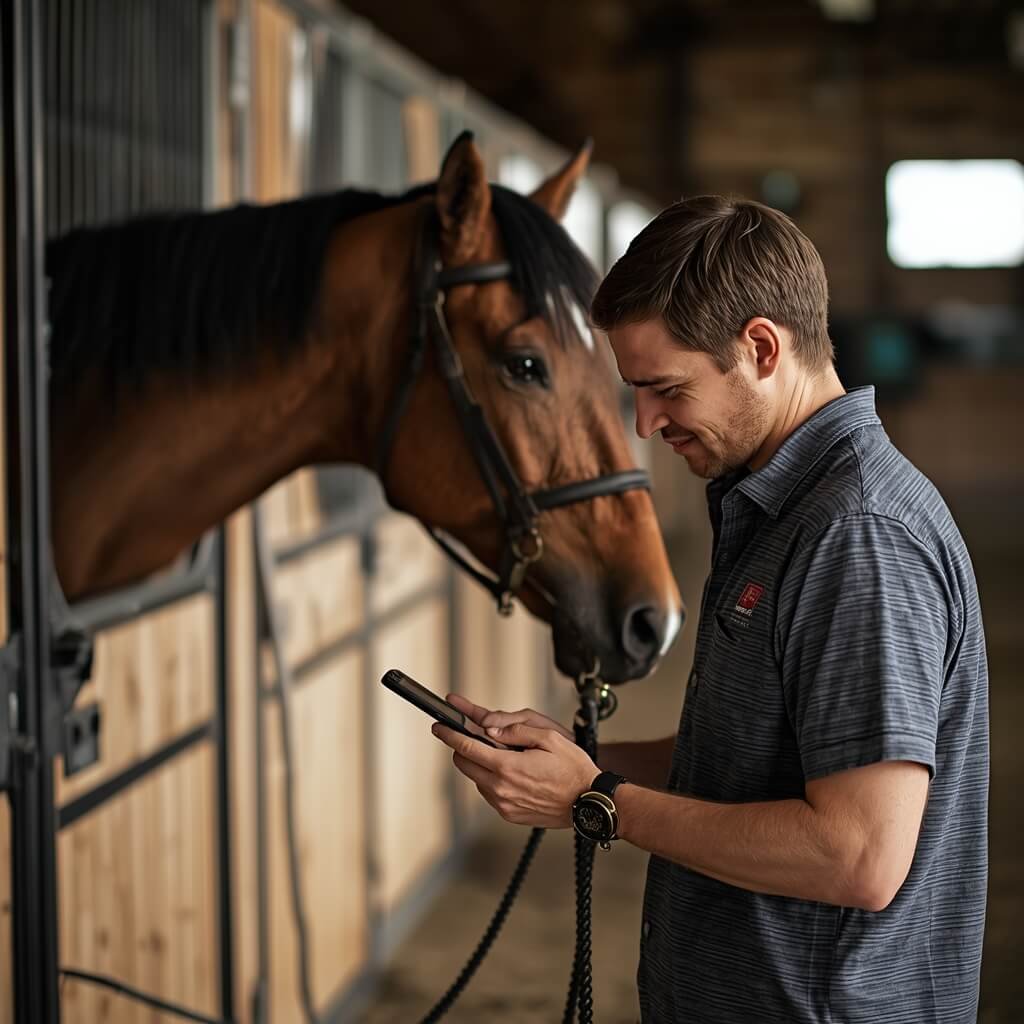
Over the last decade, equestrian technology has expanded rapidly. Riders now rely on digital tools for everything from ride tracking to veterinary records.
However, as advancements continue, many are realising that the proliferation of tools raises another pressing concern: Apps Are Frustrating For Horse Owners.
Platforms like Equilab, Ridely, and HorseDay have helped popularize the idea that horse management can be organized entirely from a smartphone.
Globally, the broader equine industry is estimated to generate over $300 billion annually, and digital tools are increasingly becoming part of that ecosystem.
Walk through any busy yard today and you’ll see riders checking their phones almost as often as their tack.
But the reality of stable life doesn’t always match the promises made by many apps.
The Most Common Equestrian Apps Horse Owners Use Today
Modern horse owners often juggle several different apps, each solving a specific problem.
Horse Health and Stable Management Apps
These apps aim to replace the traditional tack-room whiteboard and vet notebook.
They allow riders to track:
- vaccinations
- farrier visits
- worming schedules
- medication
- feed changes
In theory, they create a complete digital history of a horse’s health and care routine.
For many riders, that record becomes essential—especially when dealing with insurance claims, veterinary referrals, or long-term medical issues.
But it also raises an important question: what happens if that data disappears?
Horse Riding Training and Ride Tracking Apps
Training apps focus on performance and progress.
After each ride, riders can log notes about:
- transitions
- contact and balance
- behavior or tension
- signs of fatigue or stiffness
Some platforms also allow video uploads for coaching feedback.
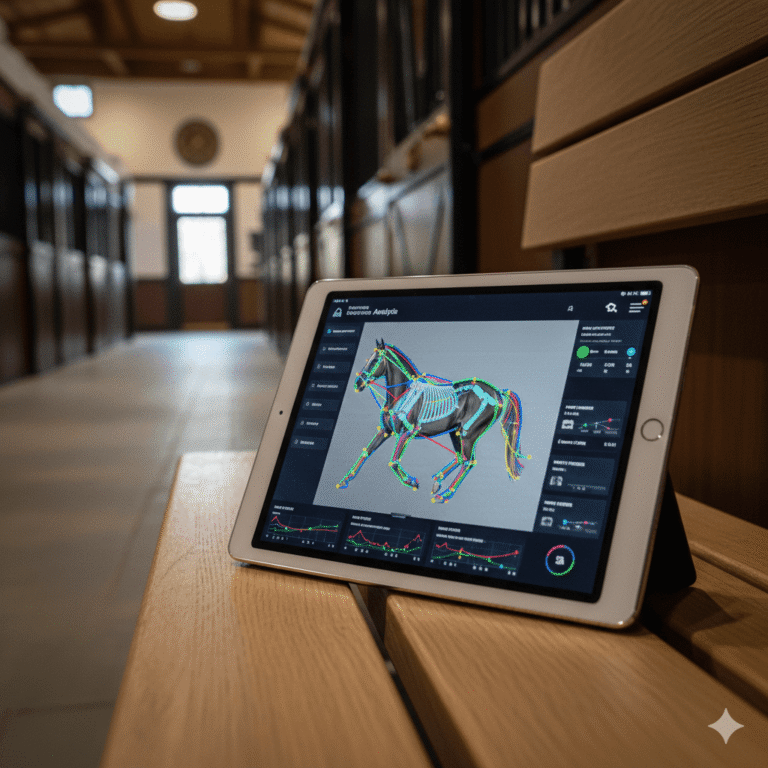
Over time, these logs help riders spot patterns—such as recurring soreness or changes in movement that might signal developing lameness.
GPS Tracking Apps for Horse Riding and Trail Rides
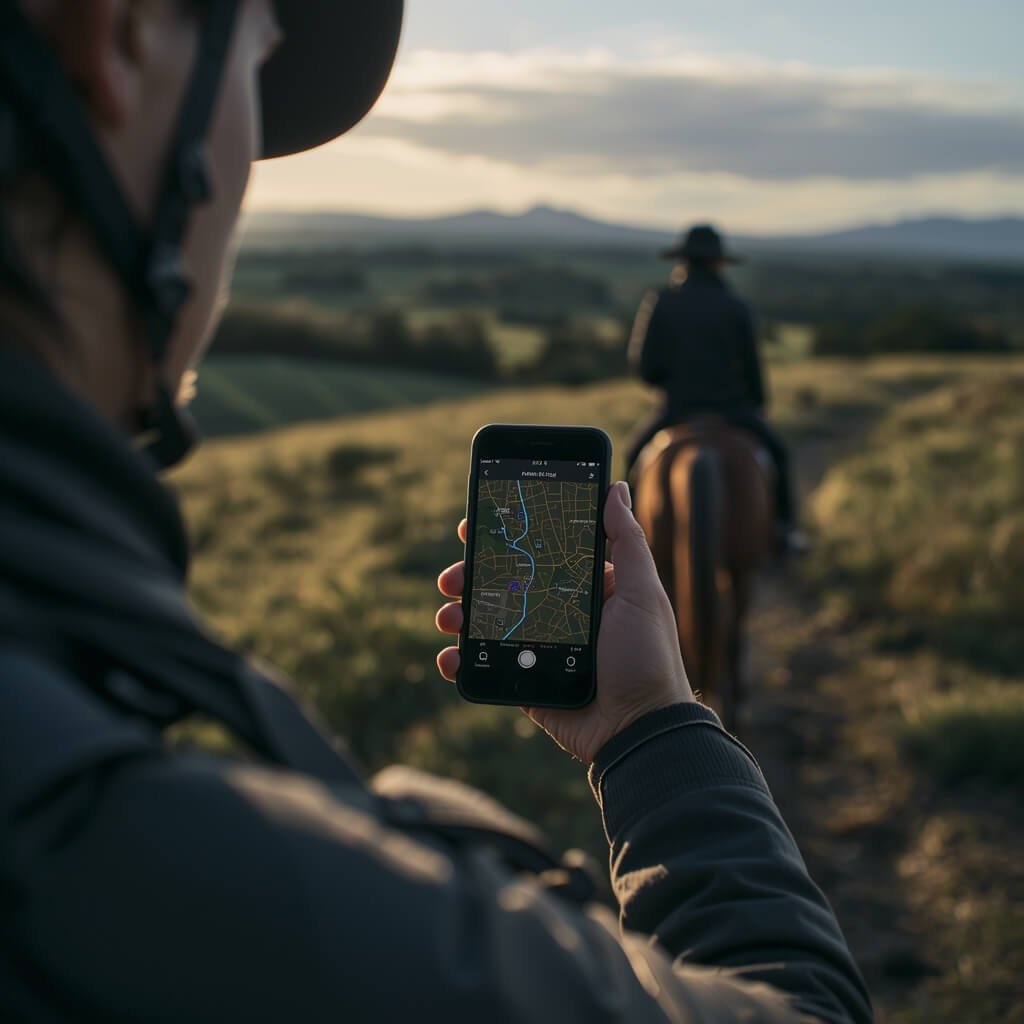
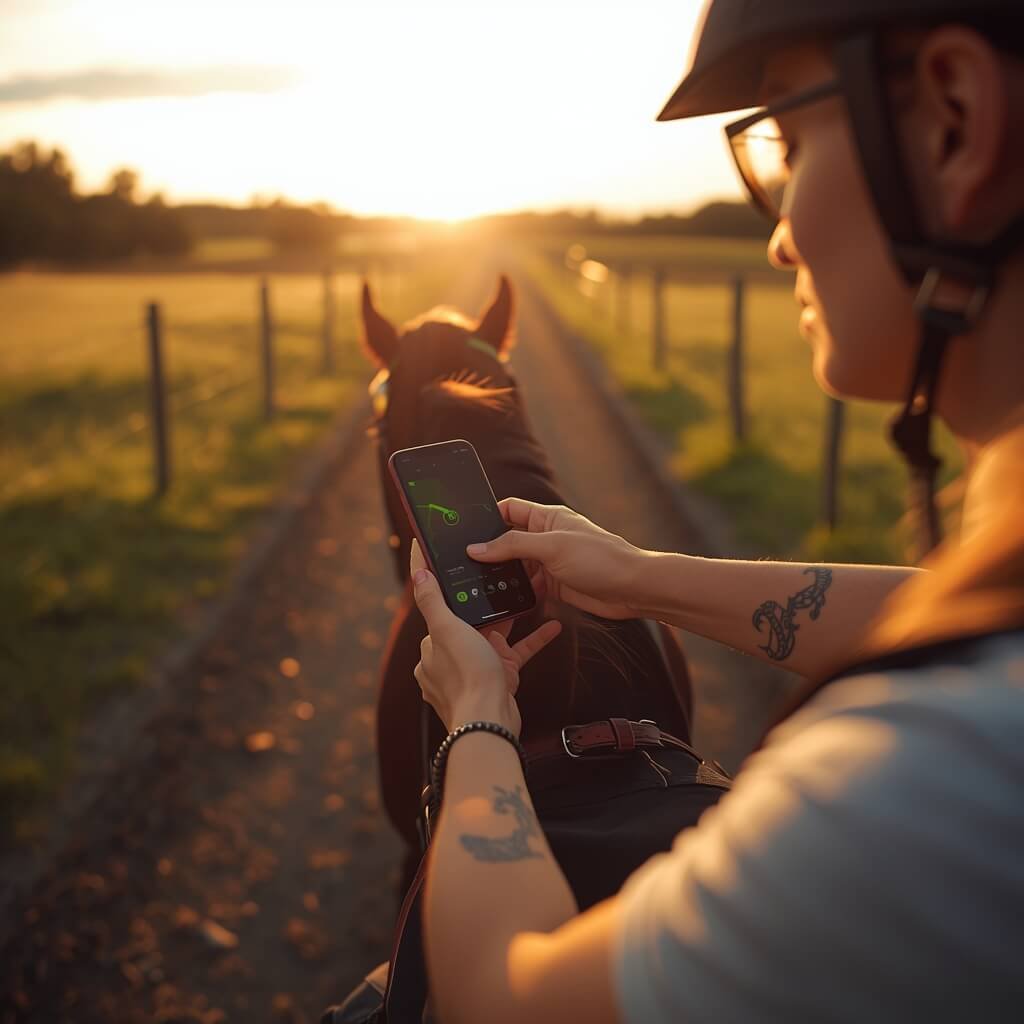
For hacking and fitness work, GPS trackers provide objective data that riders never had before.
They can measure:
- distance
- speed and pace
- elevation
- route maps
For endurance riders or conditioning programs, this data can be extremely useful.
At least—when the technology works.
One rider recently joked that her tracker stopped halfway through a two-hour hack.
“When I got back to the yard,” she said, “the app showed no ride at all. Apparently my horse and I just teleported home.”
Horse Show and Competition Entry Apps
Competition apps aim to simplify one of the most stressful parts of horse sport: entering shows.
Instead of paperwork and emails, riders can:
- select classes
- upload horse documents
- manage competition schedules
In theory, this should eliminate missed entries or forgotten start times.
In practice, many riders still find themselves searching through multiple apps and notifications to confirm when they’re actually supposed to enter the arena.
Equestrian Marketplace and Horse Community Apps
Beyond training and health tools, many riders also rely on equestrian marketplaces and community platforms.
These apps function as digital versions of the tack room, where riders:
- buy and sell equipment
- advertise horses
- ask for recommendations
- discuss training problems
And of course, most yards also maintain several busy WhatsApp groups alongside these platforms.
Each tool solves a real problem.
But together, they often create a new one: fragmentation.
Common Problems with Equestrian Apps for Horse Owners
Speak honestly with riders and a consistent pattern appears.
The issue isn’t technology itself.
It’s that many equestrian apps don’t fully understand the reality of yard life.
Data Safety Problems in Horse Management Apps

Many riders store years of veterinary notes, shoeing records, and training logs inside a single app.
Yet surprisingly few platforms offer easy ways to export that information or back it up elsewhere.
If a phone is lost—or an app shuts down—owners may lose a significant portion of their horse’s recorded history.
For riders managing high-value competition horses, that’s a serious concern.
Why Many Equestrian Apps Fail Without Internet
Most stables are located in rural areas with unreliable signal.
But many apps assume constant internet access.
Uploading training videos, syncing ride data, or even opening an app can become frustrating when connection drops beside a steel barn wall or across open countryside.
Offline functionality is still rare in many equestrian tools.
Complicated Interfaces in Many Horse Owner Apps
Horse owners often want to log something simple.
A hoof trim.
A vaccination.
A quick training note.
Yet some apps require navigating multiple screens and forms just to record a single event.
After a long day at the yard, riders prefer quick entries—not software that feels designed for developers rather than horse owners.
Why Horse Owners Use Too Many Equestrian Apps
Fragmentation is one of the biggest challenges.
A rider’s trainer might use one system.
The vet sends reports through another.
The yard manager tracks schedules elsewhere.
As a result, horse owners frequently end up entering the same information several times across different apps.
This wastes time and increases the risk of mistakes.
Too Many Notifications from Horse Riding Apps
Notifications are meant to prevent missed events.
But many apps struggle to balance reminders correctly.
Some fail to notify riders about important care tasks.
Others send so many alerts that users eventually ignore them altogether.
And that’s exactly how something like a farrier appointment can be forgotten.
Why These Equestrian App Problems Actually Matter
At first glance, these frustrations sound like ordinary software problems.
But for horse owners, the stakes are higher than convenience.
How Technology Should Prevent Horse Care Mistakes
Riders use digital tools to reduce the risk of serious mistakes:
- missed vaccinations
- delayed vet visits
- overdue farrier appointments
- early signs of lameness being forgotten
Good technology should make these problems less likely—not harder to manage.
Why Accurate Horse Medical Records Matter
Veterinary care is becoming increasingly expensive.
Accurate medical records are now essential for:
- insurance claims
- second opinions
- long-term treatment histories
When an app loses or hides important information, the consequences can extend beyond inconvenience.
Why Horse Owners Need to Trust Their Equestrian Apps
Ultimately, riders are trusting these apps with something important: the welfare history of an animal they care deeply about.
When riders complain about buggy reminders or unreliable uploads, what they’re really saying is simple:
They need tools they can trust.
How Horse Owners Can Use Equestrian Apps More Effectively
Until equestrian technology improves, riders can take a few steps to avoid common frustrations.
Why Simple Horse Management Apps Work Better
When evaluating apps, prioritize:
Understanding Why Apps Are Frustrating For Horse Owners
- offline capability
- simple data entry
- reliable data export
Complex dashboards may look impressive, but speed and reliability matter far more at the yard.
How to Protect Horse Health Records in Apps
Even if you trust an app, it’s wise not to rely on a single system.
Regularly export or copy important records such as:
- vaccination history
- veterinary treatments
- farrier schedules
- medication changes
For major medical events, keeping a secondary record in a notebook or shared document can prevent future problems.
Avoid Using Too Many Equestrian Apps
Many riders make the mistake of installing every equestrian app they discover.
A better approach is to start small.
Choose one or two tools that solve your most important problems—perhaps ride tracking or health records—and build habits around them first.
Only add more technology if it genuinely simplifies your routine.
The Future of Equestrian Apps for Horse Owners
Technology has undeniably changed the way riders manage their horses. From tracking a horse’s pulse to logging a schooling session or a pattern in the arena, much of what once lived in notebooks now sits right on a smartphone. But as Lina’s farrier mishap proves, a screen full of notifications doesn’t always make life at the barn any smoother.
The reality is that an ‘equestrian office’ rarely looks like a typical workspace. More often, it’s a dusty tack room, the rail of an arena, or a muddy pasture where a reliable cell signal is far from guaranteed. In those moments, riders don’t need complex dashboards—they need simple, dependable tools that work fast, even when they’re offline.
In truth, the biggest challenge for equestrian tech isn’t adding more features; it’s understanding how horse owners actually live and work. Barn life is messy, unpredictable, and shared between riders, trainers, vets, and staff.
The apps that win in the coming years will be the ones designed for that reality—straightforward tools that work wherever riders happen to be with their horses. Until then, many owners will keep juggling a dozen apps… while quietly hoping the next farrier visit doesn’t get lost in the shuffle.